The story behind the writing of WHITE BOY
The murder of George Floyd in 2020 by Minneapolis police, captured on video in broad daylight, prompted David Morse to ask himself a soul-searching question: What do I have in common with those killer cops?”
He examined his own childhood, growing up in Arlington, Virginia—a suburb made so white by segregation as to blind him to other possibilities. He had to confront his own racism. The result was this memoir, and a broader understanding of America today.
WHITE BOY delivers. How?
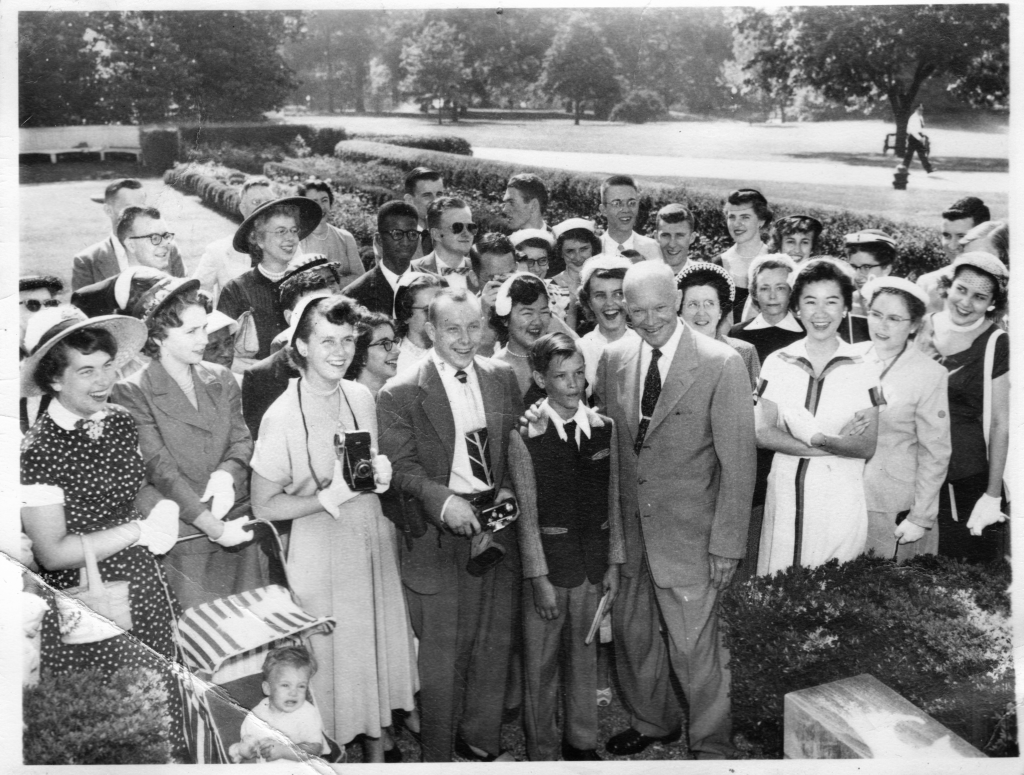
WHITE BOY witnesses a world—the 1940s and ‘50s—at the cusp of profound change.
This is a page-turner, engaging the reader’s senses in a past more physical than our digitalized present. The boy learns racism despite his family’s liberalism, learns racism from his surroundings and the people who love him—much as he learns how to make a peanut butter sandwich or recite the Lord’s Prayer.
By the end of high school, Jim Crow is scheduled to disappear. As an adult he will witness progress in racial and gender equity—progress he assumes is permanent. The election of Donald Trump proves otherwise.
Morse’s pursuit of the question “What do I have in common with killer cops?” into his childhood exposes how deeply racism is imbedded in a nation built on slavery. White supremacy remains a political force.

Why read WHITE BOY?
If you like good memoirs.
If you have ever lived in Arlington, Virginia, attended W-L High School; lived or worked in Washington DC. If you’ve ever visited the Arlington National Cemetery, seen the changing of the guard at the Tomb of the Unknown Soldier, and wondered what lay beyond the green lawns and white marble.
If you’ve felt touched by racism—your own or others’—or if you’ve grown up in a modern multiracial environment, and have trouble understanding the resurgence of racial hatred that threatens our democracy today. How do we heal from the wound of slavery?
WHITE BOY has the power of personal witness. It portrays the childhood not of a famous athlete or movie star, but of an ordinary man growing up in an extraordinary time.